Restoring Digital Acquisition and Lead Quality for Zorba the Buddha
This lead generation case study explores how Adflow Digital rebuilt Zorba the Buddha’s digital acquisition infrastructure to improve tracking, lead quality and Meta Ads campaign performance.
Adflow Digital has worked with Zorba the Buddha for more than two years and continues to manage its digital acquisition today.
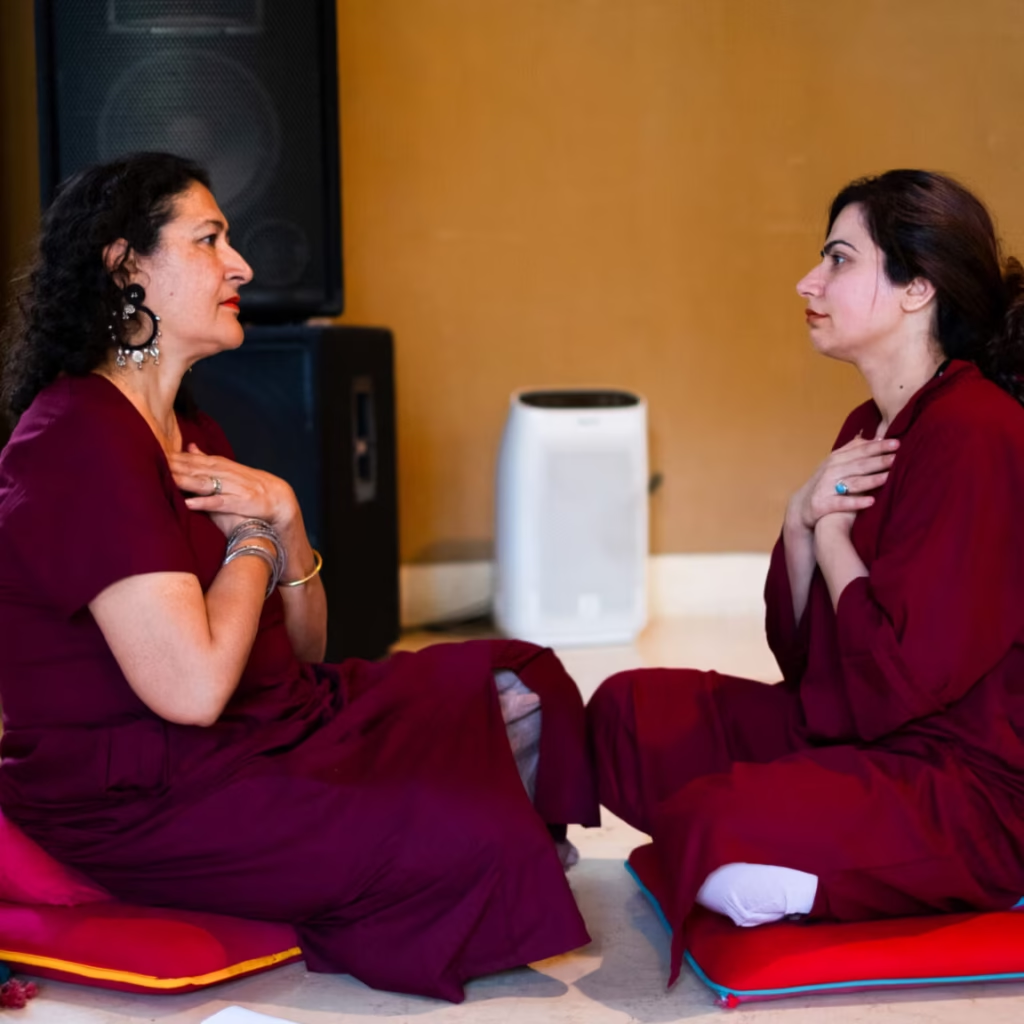
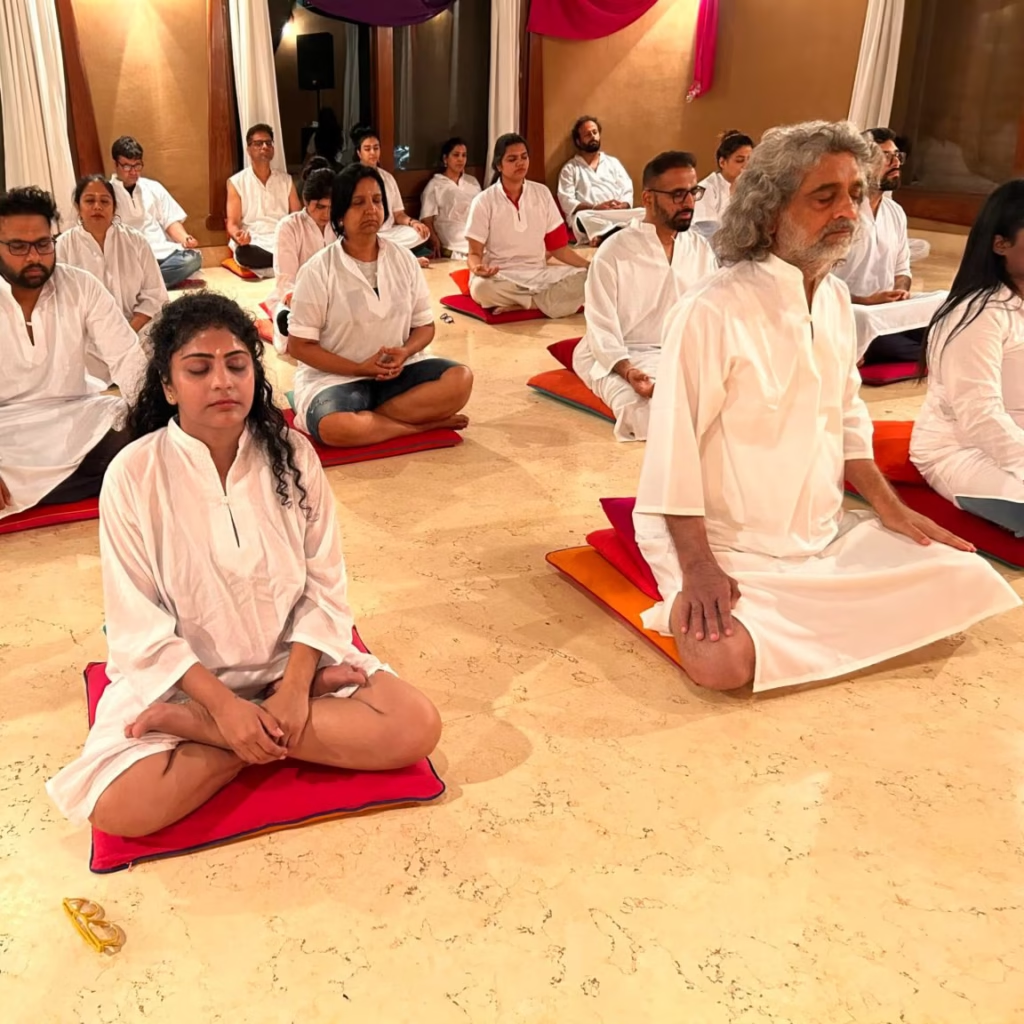
Zorba the Buddha is a New Delhi-based open-faith spiritual centre offering a wide range of meditation, movement, creative and transformational programmes. It hosts approximately 400 programmes each year, including daily and weekly programmes, festivals, retreats and residential experiences.
When Adflow Digital began working with the organisation, the primary challenge was not simply generating more leads. The underlying digital infrastructure had become increasingly difficult to operate.
Previous advertising activity had accumulated multiple policy violations, Meta advertising accounts had been permanently disabled, website tracking was limited and the existing CRM recorded enquiries without providing advertising platforms with meaningful feedback about which leads were actually valuable.
The first priority was therefore to rebuild the infrastructure required for reliable, compliant and measurable acquisition.
The Challenge
Zorba the Buddha promotes a diverse range of spiritual programmes, workshops and retreats, making advertising compliance particularly important.
Previous campaigns had encountered repeated advertising-policy issues, eventually resulting in Meta permanently disabling advertising accounts associated with the organisation.
At the same time, the website itself was unreliable. It had effectively evolved into a fragile custom PHP implementation, with forms and tracking that could not be depended upon consistently.
Lead management presented another problem.
The existing custom CRM passed information through Pabbly and Google Sheets, creating a system capable of recording enquiries but not effectively communicating lead quality back to the advertising platforms.
From the ad engines’ perspective, every submitted lead could therefore appear broadly equivalent, regardless of whether the sales team considered it relevant, qualified or likely to enrol.
This limited campaign optimisation and made it considerably harder for the advertising algorithms to learn from genuine business outcomes.

The Strategy
Adflow Digital began by stabilising the digital foundation.
The existing website was repaired and restructured, the organisation was moved to a more reliable hosting environment and every enquiry form was reviewed to ensure submissions were functioning consistently.
The next priority was lead management.
Adflow transitioned the organisation away from its existing custom CRM workflow and implemented Zoho CRM, providing a more structured environment for handling enquiries across different programmes.
The sales team could then qualify leads inside the CRM based on actual conversations and enquiry quality.
Adflow developed custom scripts that used those lead-quality decisions to transmit more meaningful optimisation signals back to the advertising engines.
Instead of optimising campaigns purely around the number of forms submitted, the advertising platforms could increasingly receive feedback informed by the quality of the enquiries being generated.

Building the Campaign
Platform compliance was addressed alongside the technology rebuild.
Because Zorba the Buddha operates in the spiritual and religious space, Adflow worked to ensure that its Meta advertising setup accurately reflected the nature of the organisation and its programmes, including the appropriate religious and spiritual classification required for the account.
Campaign structure, advertising language and creative were subsequently developed with platform policies in mind, reducing the risk of repeating the violations that had affected earlier advertising activity.
Once the infrastructure was stable, Adflow developed ongoing Meta lead-generation campaigns across Zorba the Buddha’s wide range of programmes.
The advertising strategy had to accommodate very different offerings, from meditation and dance programmes to workshops, retreats and longer immersive experiences.
Campaigns were therefore structured around the intent and context of each individual programme rather than treating the organisation as a single generic spiritual offering.
Performance data from Meta was then combined with lead-quality feedback from the sales team, allowing campaigns to be continuously refined around the enquiries most likely to produce meaningful outcomes.
The Impact
Adflow Digital’s work with Zorba the Buddha demonstrates how performance marketing can be limited by the infrastructure behind the advertising itself.
The original problems were interconnected: an unreliable website weakened conversion tracking, a fragmented CRM recorded leads without improving campaign intelligence and repeated policy violations created significant risk for continued Meta advertising.
Addressing those issues required more than launching new campaigns.
Adflow stabilised the website and hosting environment, ensured enquiry forms worked reliably, transitioned lead management to Zoho CRM, developed scripts that returned lead-quality signals to advertising platforms and brought the Meta advertising setup into alignment with the organisation’s spiritual activities.
The result is an ongoing acquisition system capable of supporting a diverse calendar of programmes while maintaining approximately 6x ROAS and giving advertising platforms better information about the leads that actually matter to the organisation.

Key Results
The rebuilt acquisition system continues to generate leads for Zorba the Buddha’s spiritual programmes while maintaining an average advertising ROAS of approximately 6x.
More importantly, the organisation now operates with a substantially stronger digital infrastructure connecting its website, enquiry forms, Zoho CRM, sales qualification process and advertising optimisation.
Adflow Digital has continued to manage and refine the programme for more than two years, combining campaign performance with actual lead-quality information rather than relying solely on form submissions.